Support programmes a childhood cancer foundation offers: medical support
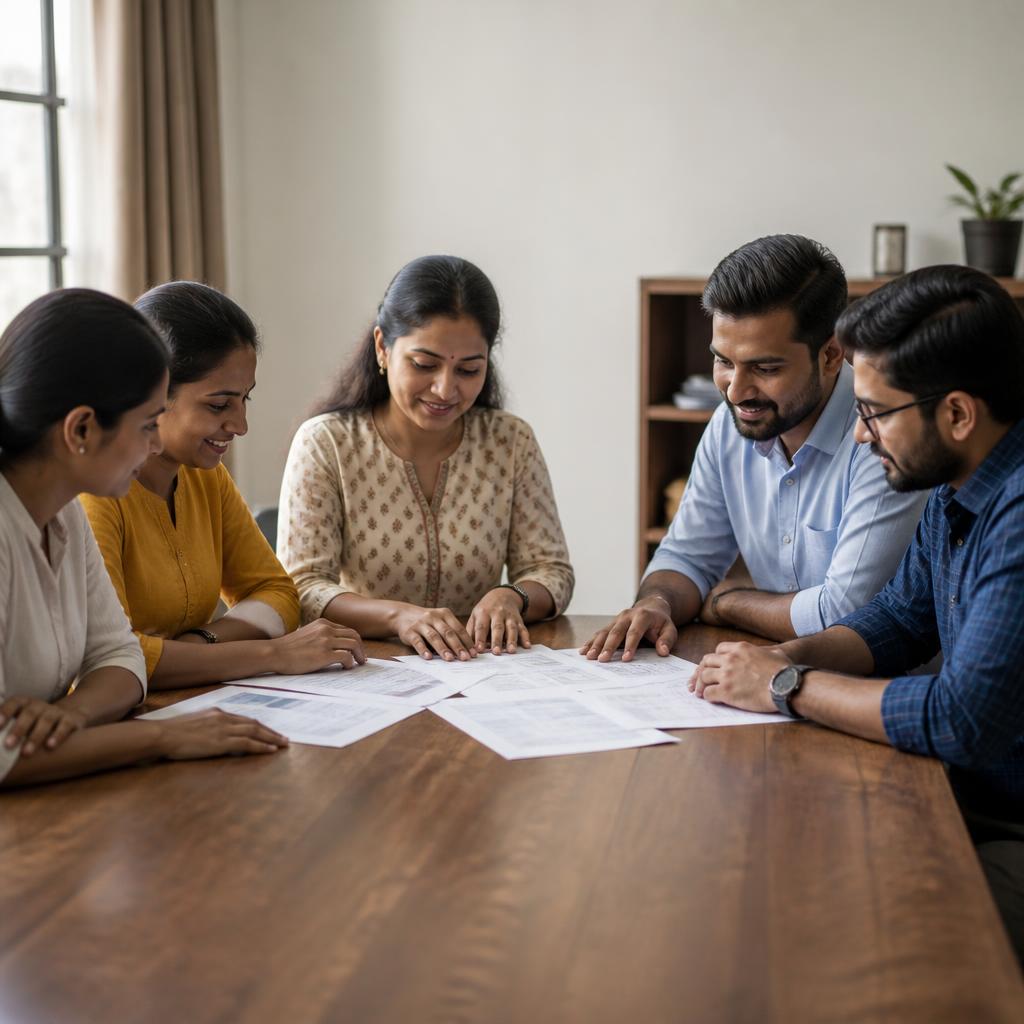
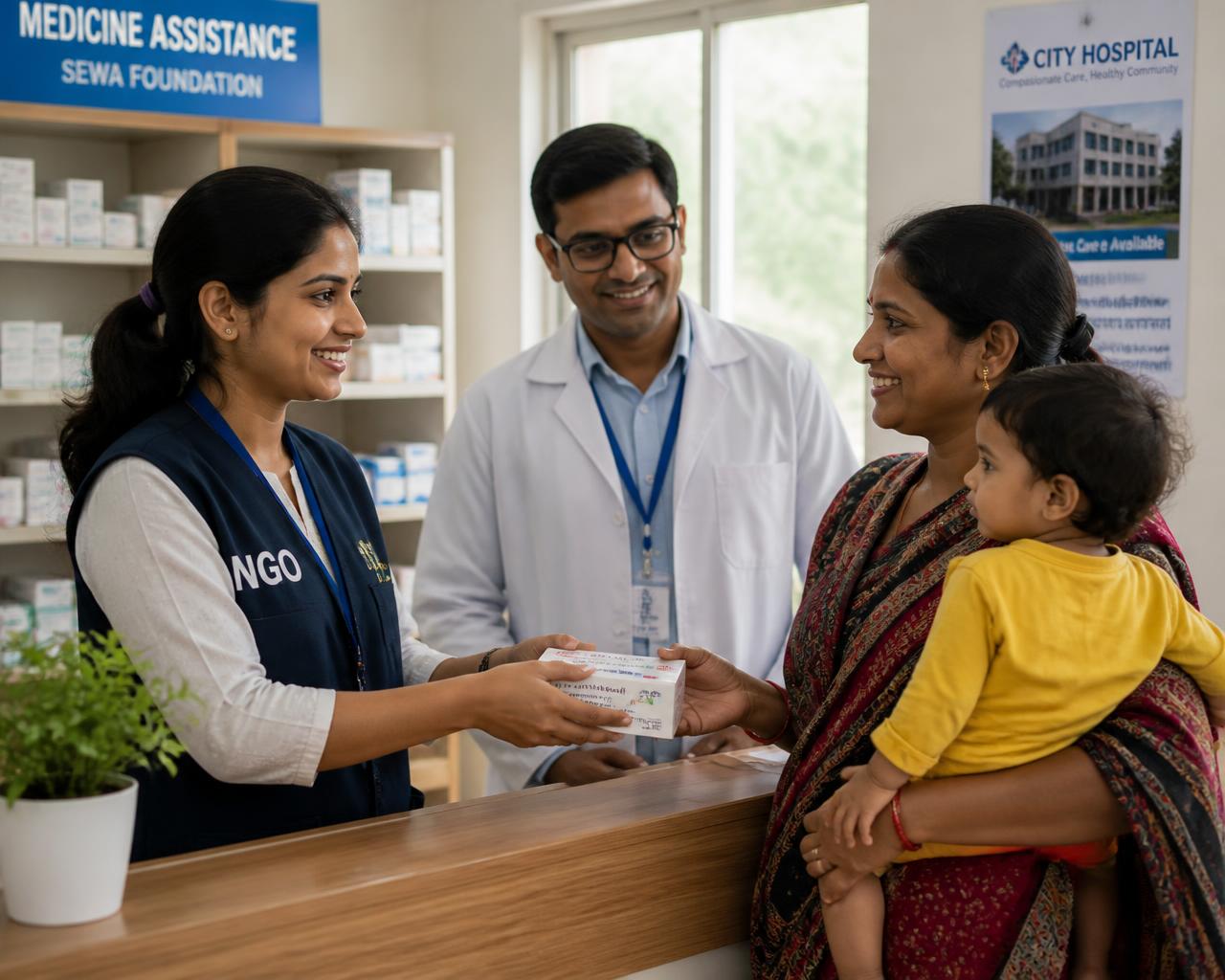
Childhood Cancer Foundations provide medical support to ensure children can access treatment, stay on treatment, and receive comprehensive care, especially where health systems or families lack sufficient resources.
Countries with Universal Health Coverage (UHC) usually fund essential cancer medicines through public health systems. Governments allocate tax revenue or social insurance funds to cover treatments such as chemotherapy. For example, many European countries follow models aligned with recommendations from the World Health Organization (WHO) to ensure essential medicines are publicly funded. In contrast, countries with mixed or private healthcare systems may require patients or medical insurance to pay for treatment.
Some governments include chemotherapy drugs in their national essential medicines lists (EML), which means the state commits to making them available and affordable. These lists are often based on the World Health Organization Essential Medicines List. Where insurance coverage is limited, patients must rely on private funding, charitable organisations, or NGOs.
Even if medicines are theoretically funded, some countries struggle with drug procurement systems, supply chain problems, limited oncology infrastructure which can lead to shortages or inconsistent access to chemotherapy medicines. Historically, some countries prioritised funding for diseases such as HIV, tuberculosis, and malaria because they affected larger populations. However, cancer is increasingly recognised as a major global health issue. The World Health Organization launched the Global Initiative for Childhood Cancer (GICC) to help countries improve access to treatment, including essential chemotherapy medicines.
Why do childhood cancer foundations, NGOs , charities or parent support groups offer medical support to patients?
Childhood Cancer Foundations, NGOs or charities often support hospitals by providing medical equipment, medicines not readily available, diagnostic tests and funding for specialised staff or training. This strengthens paediatric oncology services and improves the quality of care. This could create expectations from patients and governments and put a huge strain on the childhood cancer foundation, NGO or charity to raise funds to be sustainable.
Who will benefit from it?
Medical support programmes for childhood cancer create a shared benefit.
The primary beneficiaries are children diagnosed with cancer. Access to medicines such as chemotherapy, supportive care, and specialised treatment increases survival rates, giving them chances of cure and quality of life during and after treatment.
Parents and caregivers benefit through reduced financial burden of treatment, emotional and psychosocial support, assistance with transport, accommodation, and nutrition and helps families remain focused on supporting the child throughout the long treatment journey.
When children survive cancer and recover, communities benefit through healthier long-term socio-economic independent contributing adults, reduced long-term healthcare costs and increased awareness about early diagnosis and childhood cancer.
Governments benefit when civil society organisations help support childhood cancer programmes by complementing public healthcare services, advocating for better national cancer policies and by supporting national childhood cancer strategies aligned with initiatives from organisations such as the World Health Organization (WHO) and global networks like Childhood Cancer International (CCI).
What should we know to run this programme successfully?
Childhood cancer organisations, NGOs or charities paying for medical bills can save lives and reduce financial hardship, but these programmes must be carefully managed to ensure fairness, sustainability, and alignment with national health systems.
The advantages of this support programme are:
- It improves access to treatment. Many families cannot afford cancer treatment. When childhood cancer foundations or parent support groups help cover medical costs, children are more likely to start and complete treatment, which improves survival rates.
- It reduces treatment abandonment. In many countries, families stop treatment due to financial pressures. Financial support from foundations helps reduce treatment abandonment, a major cause of poor childhood cancer outcomes.
- It provides immediate relief. Childhood cancer foundations or charities can sometimes respond faster than government systems, providing urgent assistance for medicines, diagnostics, or transport when families need it most.
- It supports overburdened health systems. Nonprofit organisations can help hospitals by paying for essential medicines, diagnostic tests, equipment or specialised care to strengthen paediatric oncology services and complement public health programmes.
- It raises awareness and advocacy. Foundations working directly with patients often become powerful advocates for better childhood cancer policies and funding, aligning with initiatives from organisations such as the World Health Organization (WHO)and global networks like Childhood Cancer International (CCI).
The disadvantages of this support programme are:
- Sustainability challenges. Childhood cancer foundations or charities rely on donations and grants. If funding decreases, patient support programmes may suddenly stop, which can disrupt treatment continuity.
- Risk of government dependency. If charities consistently pay for treatments, governments may feel less pressure to fund childhood cancer services, potentially weakening long-term public health responsibility.
- Inequality in access. Childhood cancer foundations or charities support may reach only certain hospitals, regions, or patients connected to specific organisations, creating unequal access to care.
- Administrative and ethical challenges. Deciding who qualifies for financial assistance can be difficult and may raise ethical concerns about fairness and transparency.
- Fragmentation of care. When multiple charities independently fund various aspects of treatment, coordination can become complicated and may create inefficiencies in care delivery.
Read more
- World Health Organization. (2021). CureAll framework: WHO global initiative for childhood cancer – Increasing access, advancing quality, saving lives. Geneva: World Health Organization. https://iris.who.int/server/api/core/bitstreams/89c8fdf4-8156-4842-80ba-d87bfc1b1c91/content
- St Jude Global. n.d. Global Platform for Access to Childhood Cancer Medicines. https://global.stjude.org/en-us/featured/global-platform-for-access-to-childhood-cancer-medicines.html
- St Jude Children’s Research Hospital. World Health Organisation. In collaboration with UNICEF and PAHO. 2025. Closing the gaps: the Global Platform’s approach to childhood cancer medicine access. A short introduction to the work and progress of the Global Platform for Access to Childhood Cancer Medicines.
- KidzCan. n.d. Early detection is the best protection. https://kidzcanzimbabwe.org/the-five-pillars-of-hope/
Peer reviews and medical journals
- Rahimzadeh, V., Wolfert, S., Buenger, V., Campbell, C., French, R., Ludwinski, D., Weinstein, A. & Barrett, C., 2022. A systematic literature review to identify ethical, legal, and social responsibilities of nonprofit organizations when funding clinical trials in pediatric cancer. Pediatric Blood & Cancer, 69(9), e29854. https://pmc.ncbi.nlm.nih.gov/articles/PMC10311989/
- Ashtijeh, M. G., Hosseini Sadrabad, I., & Barzega, A. (2025). The role of non-governmental organizations (NGOs) in pediatric cancer care: Psychosocial and economic perspectives. Iranian Journal of Pediatric Hematology and Oncology, 15(4), 701–709. https://publish.kne-publishing.com/index.php/IJPHO/article/view/19636/18241
- Srinivasan, A., Tiwari, K., Scott, J.X., Ramachandran, P. and Ramakrishnan, M., 2015. Impact of cancer support groups on childhood cancer treatment and abandonment in a private pediatric oncology centre. Indian Journal of Palliative Care, 21(1), pp.68–71. https://pmc.ncbi.nlm.nih.gov/articles/PMC4332131/?utm_source
- Sanadgol, A., Doshmangir, L., Majdzadeh, R., & Gordeev, V. S. (2021). Engagement of non‑governmental organisations in moving towards universal health coverage: A scoping review. Globalization and Health, 17(1), Article 129. https://link.springer.com/article/10.1186/s12992-021-00778-1?utm_source
Was this article helpful?
Related Articles

Why do we need to start a childhood cancer foundation?
Many parents who have been through the childhood cancer journey have a need to give back either to honour their child, to support other families facing the same journey, to address the unmet needs in the health system, to raise awareness about childhood cancer, to raise funds for treatment or supportive care programmes, to provide sense of purpose and healing, to build a supportive community, to advocate for the children’s rights, to fill the gap left by their own experience or the contribute to research and improved outcomes.
Why offer transport assistance support?
TRANSPORT ASSISTANCE
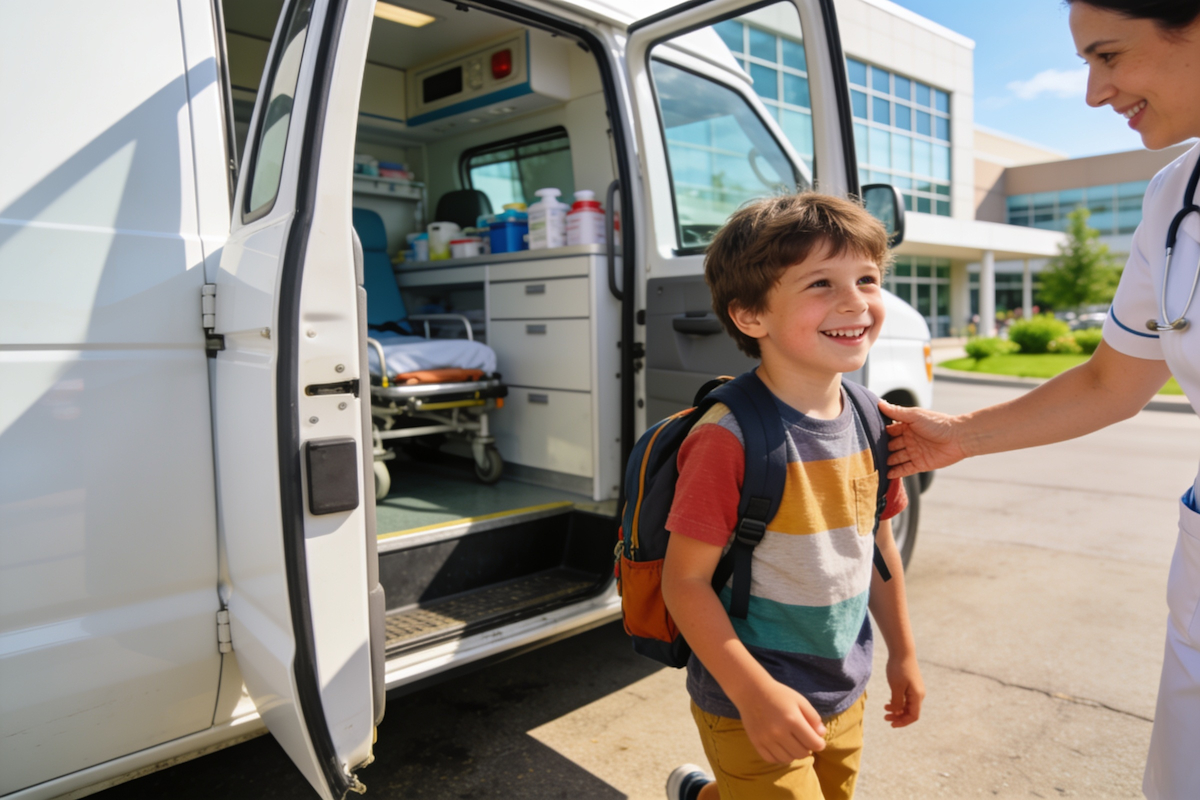
Transport assistance for paediatric oncology patients is not just a logistical service—it is a critical enabler of survival, treatment success, and family well-being. Children with cancer require frequent, time-sensitive access to specialised care, and without reliable transport, outcomes can be severely compromised.
Why do childhood cancer foundations, NPOs or charities offer home-away-from-home programmes?
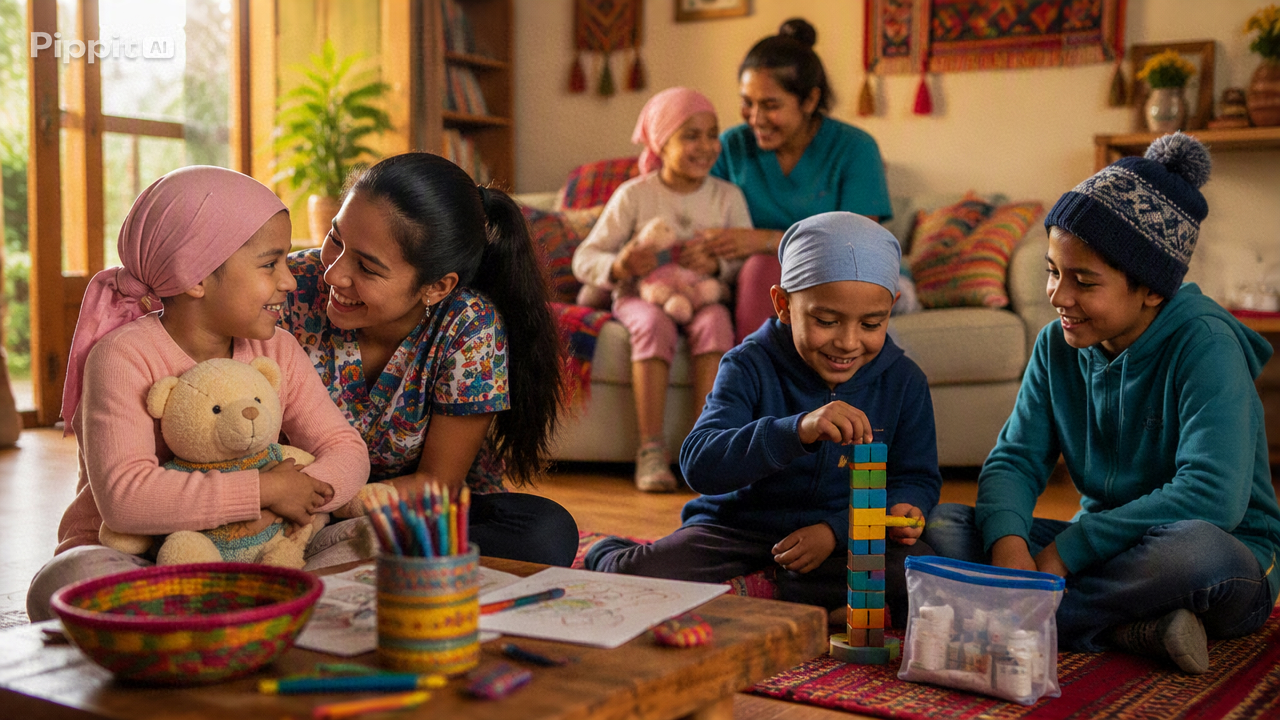
Childhood cancer foundations, NPOs or charities often provide accommodation for out-of-town patients and their families because treatment for paediatric cancer is usually centralised in specialised hospitals, requiring families to travel long distances and stay near the hospital for extended periods. The World Health Organization (WHO) recognises accommodation and support services important for reducing treatment abandonment through initiatives like the Global Initiative for Childhood Cancer (GICC).
Running a childhood cancer foundation: 12-month road map broken down in quarters
Running a childhood cancer foundation: what I need to know about human resources