How do I cope as the sibling of a child diagnosed with cancer?
When your brother or sister is diagnosed with cancer, your life changes too. Your family functions differently and this might make you feel scared, lonely, angry, confused, or even guilty for having these feelings. You might miss the attention you used to receive from your parents, the normal daily routines that you are used to or may worry about your sibling's future. These feelings are normal. Having a sibling with cancer can be one of the hardest experiences a family faces, but you do not have to go through it alone. It is okay to ask for help, to have fun, and to take care of yourself while supporting your brother or sister.
Helpful approaches
Talk about your feelings to your parents, another trusted family member, teacher, counsellor, social worker, or a close friend. It is okay to feel sad, angry, jealous, frightened, or confused. You can also keep a journal or draw pictures to express how you feel. All emotions are valid and by keeping them inside can make them harder to manage.
Ask questions. Cancer can be very frightening, especially when you do not understand what is happening. Ask your parents or your sibling's healthcare team to explain the illness in a way you understand and do not be afraid to ask the same question more than once. If you know what is going on, what to expect and what to look out for, it can reduce fear and uncertainty.
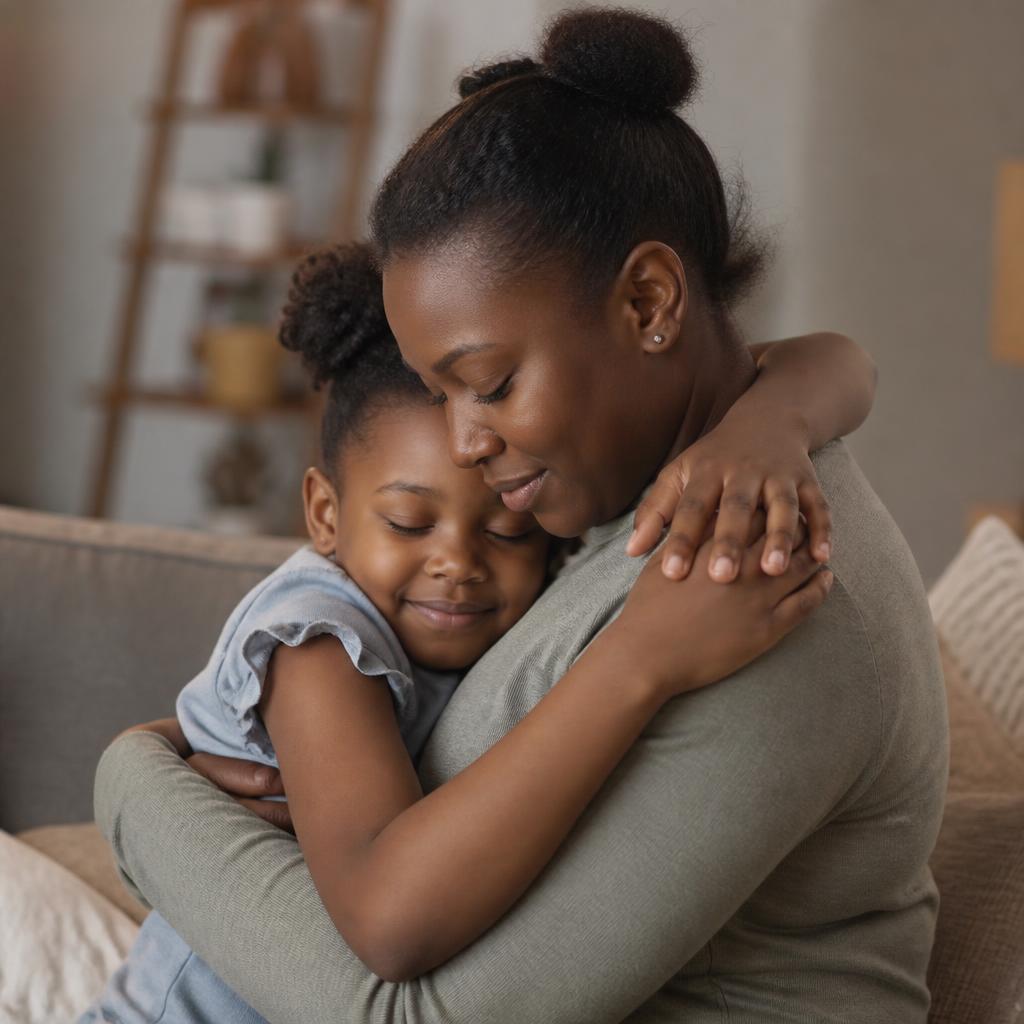
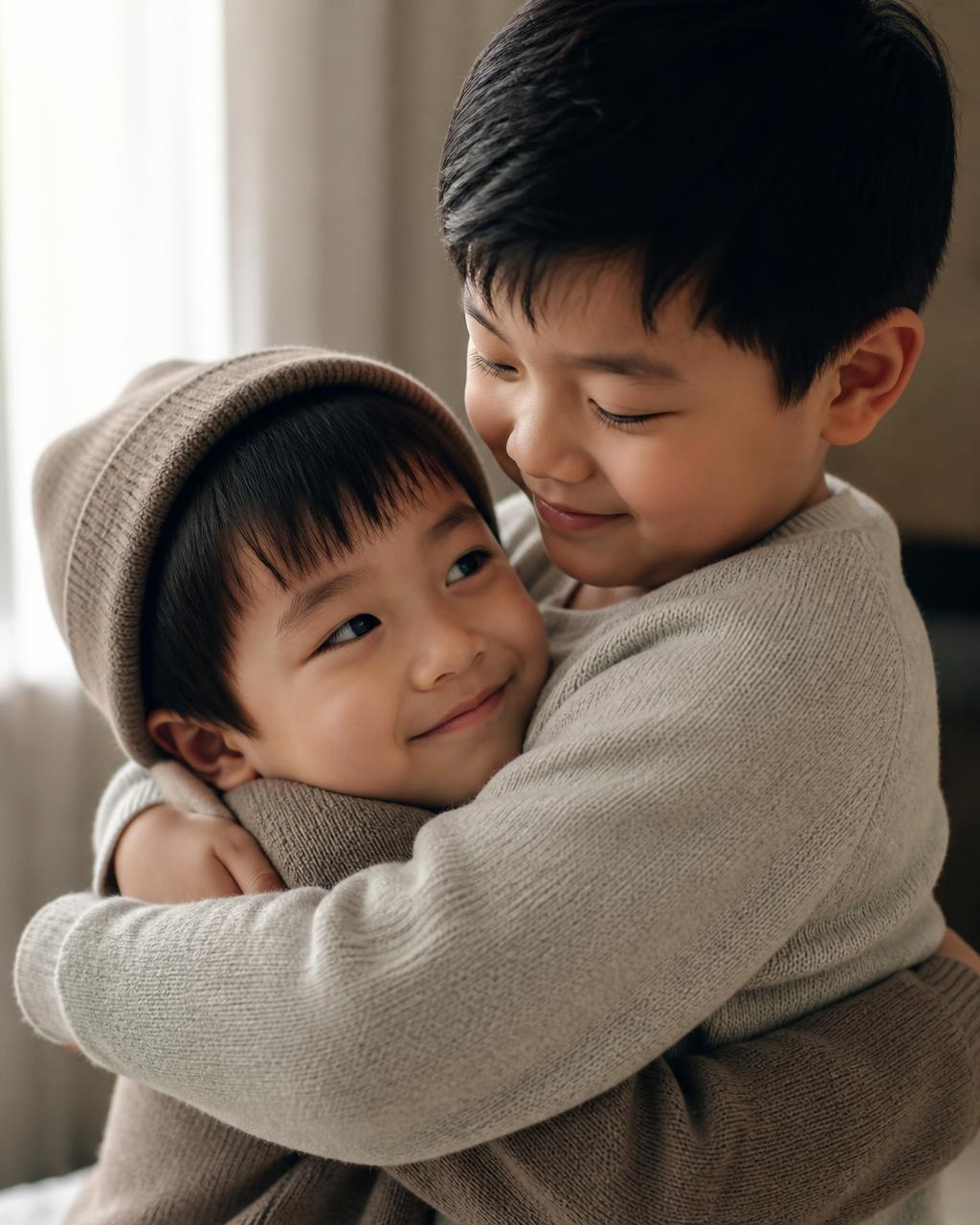
Stay connected with your sibling. Your sibling needs you just as much as you need your sibling during this time. Even if your sibling is in hospital or feeling unwell, your relationship is still important. If you cannot visit, send messages, drawings, photos, or voice notes. You could also do video calls and read stories or just chat about your daily lives. You can play games or watch a favourite movie when possible. Small acts of kindness help both of you feel connected.
Keep doing things you enjoy and do not feel guilty if you enjoy them. Your life should not stop because your sibling is ill. Continue participating in sports, hobbies, clubs, or other activities and to spend time with your friends. Enjoying yourself does not mean you care less about your sibling.
Maintaining and keeping familiar routines help you feel safe and gives you a sense of normality. Go to school regularly if possible and keep up with homework. Try to continue family traditions whenever you can.
Accept help from family, friends, neighbours, and teachers who often want to help. Let trusted adults support you. Spend time with relatives or friends if your parents need to be at the hospital and ask for help when schoolwork or emotions become overwhelming.
Take care of yourself - looking after your own health is important. Eat healthy meals, get enough sleep, exercise or play outside and make time to relax and have fun.
Meeting other children and teenagers who have a brother or sister with cancer can help you realise you are not alone. Join sibling support groups if available and attend family camps or support programmes. You may understand a lot of things better when you talk with other siblings who understand what you are experiencing.
Be patient with your family; especially when your parents may seem tired, worried, or distracted – they still love you. Tell them when you need time together and share your achievements and concerns. Remember that everyone is adjusting to a tricky situation.
Ask for professional support especially when you feel sad, anxious, angry, withdrawn for a long time, or if your schoolwork or friendships are affected. Speak to a trusted adult about seeing a counsellor, psychologist, or social worker. Seeking help is a sign of strength.
Read more
- European Youth Cancer Network. 2025. American Cancer Society. When Your Brother or Sister Has Cancer: A Guide for Teens. https://beatcancer.eu/resources/how-to-support-your-sibling-who-has-cancer/
- National Cancer Institute. n.d. National Cancer Institute. Support for Brothers and Sisters of Children with Cancer. https://www.cancer.gov/about-cancer/coping/caregiver-support/teens
- CancerCare. n.d. Helping the siblings of a child with cancer. https://www.cancercare.org/getcontentasset/6ea823b8-127c-49e7-a3c7-b8776d143ed9/14588f85-a65c-4169-b8c4-c49268c84ed1/50-helping-the-siblings-of-a-child-with-cancer_50-fs_siblings.pdf?language=en-us
- St Jude Children’s Research Hospital. n.d. Siblings of Childhood Cancer Patients. https://together.stjude.org/en-us/emotional-support-daily-life/for-siblings/siblings.html
Was this article helpful?
Related Articles