Is my brother / sister going to die?
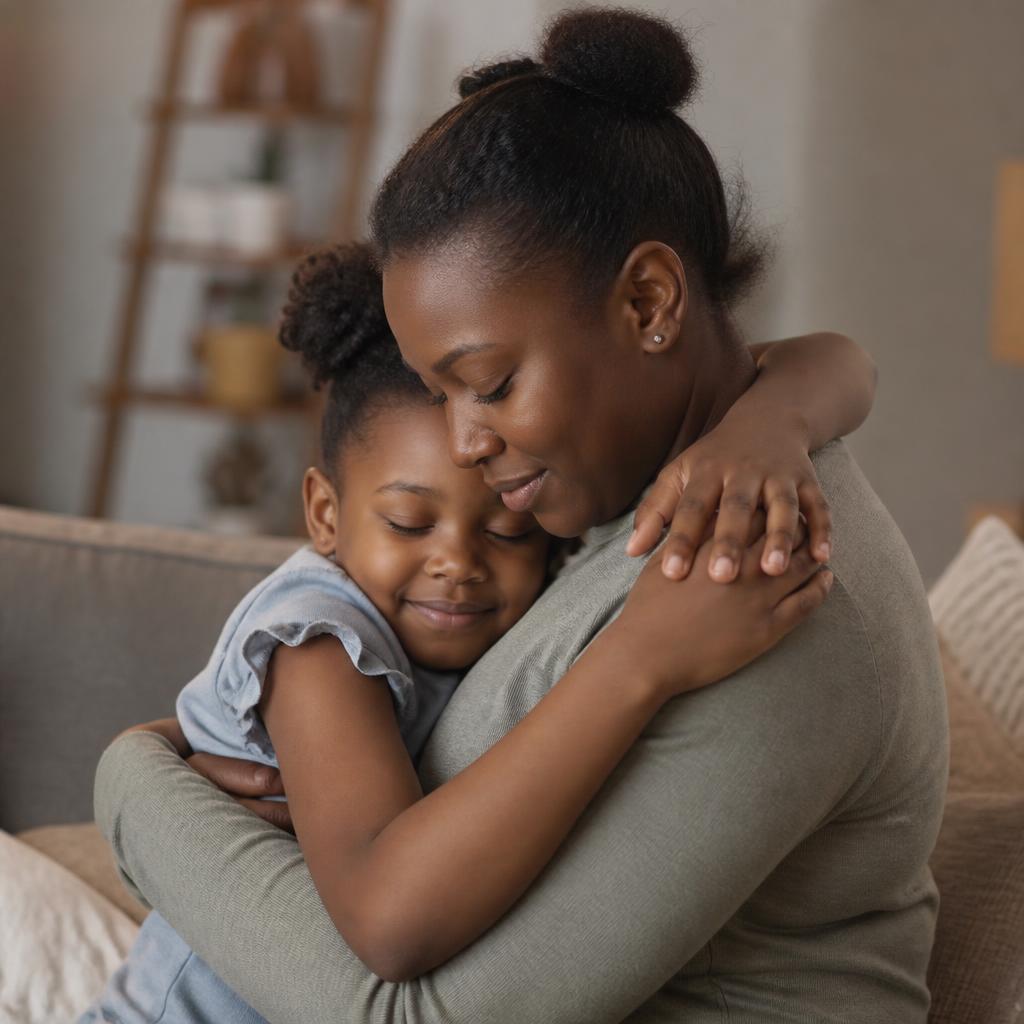
When a child has cancer, most of the attention goes to them and their treatment. But brothers and sisters can also feel very confused, scared, and full of questions. Sometimes they do not feel able to talk about them, so they keep their concerns to themselves. One of the biggest questions siblings often wonder about is: Will my brother or sister die?’ That is a very scary thought, and it is okay to feel that way.
The truth is, not everyone with cancer dies from it. In fact, many children do better. Treatment has improved over the years and doctors and nurses work extremely hard to help each child. Whether a child gets better depends on a few things, like what type of cancer it is, how early it
was found, and how well the body responds to treatment. Some cancers are easier to treat than others, and finding cancer early often gives doctors a better chance to help the child get well.
No one can promise exactly what will happen, but many children do recover, and their families have hope throughout the journey.
A long time ago, many children with cancer did not have as much hope as they do today. But things have changed a lot. Today, many children get better — and some even get completely cured. This is because doctors have learned more about cancer and the best ways to treat it.
They now use special treatment plans made just for children. These plans are called protocols.
You can think of them as a step-by-step treatment plan that doctors follow carefully. Different types of cancer need different medicines and treatments, just like different illnesses need different medicines. That is why not every child gets the same treatment. Children are treated in special hospitals called children’s cancer units, where doctors, nurses, and other helpers all work together as a multi-disciplinary team to take care of them.
Cancer treatment often involves a combination of chemotherapy (strong medication to destroy cancer cells), surgery to remove tumours, and radiation therapy (targeted energy beams) to treat the disease. These methods may be used individually or together to improve effectiveness and outcomes. Treatment can include strong medicines called chemotherapy, sometimes surgery to remove cancer, and sometimes special rays called radiation that help treat it.
There are also many ways to help children feel better during treatment — like medicine to stop nausea and safe blood transfusions, when needed. Ports or Hickman lines (central venous access devices inserted into large veins close to the heart) provide long-term access to the bloodstream for a child requiring frequent chemotherapy, blood products, antibiotics, or nutrition, eliminating the need for repeated needle sticks, which can be very painful for a child.
Helpful information
Get clear information from the care team. Ask the doctor what type and stage the cancer is, what the goal of treatment is (to cure, control, or for symptom relief) or what are the chances of success? Doctors often cannot give a definite answer because every person responds differently.
Focus on what is known today. It is quite easy for one’s mind to jump to worst-case scenarios. Try to understand what the doctors have said, what is currently happening and the next step, rather than the whole future.
Brothers and sisters do not need perfect words. Simple things like your presence, just listening without trying to fix everything and keeping some normal routine where possible, really add comfort.
You are also going through something serious and need to look after yourself. It is okay to feel scared, angry, or uncertain. Talk to someone you trust (friend, counsellor, support group).
There is always hope, even if the situation is serious. When people ask, “are they going to die?” What they are really asking is if there is hope. In many cases, the answer is yes. There is always hope, even if the situation is serious.
Children’s books
- Children’s Cancer and Leukaemia Group. n.d. My brother or sister has cancer. A children’s guide to coping with cancer. https://www.cclg.org.uk/sites/default/files/2025-02/cclg-my brother-or-sister-has-cancer-2021.pdf
- Canadian Virtual Hospice. n.d. My life, their illness. Activity Book. https://www.kidsgrief.ca/local/staticpage/pdf/My-Life-Their-Illness-EN.pdf
Read more
- Paige K. et.al. 2025. They had to watch. How parents perceive the suffering of siblings of children with cancer. ACCO. Palliative and supportive care. https://www.acco.org/wp content/uploads/2025/11/SufferingPerception_LoriWeiner.pdf
- Yang, Hui-Chuan, et.al. 2016. A Systematic Review of the Experiences of Siblings of Children With Cancer. Cancer Nursing. An International Journal for Cancer Care Research. https://journals.lww.com/cancernursingonline/fulltext/2016/05000/a_systematic_review_ of_the_experiences_of_siblings.14.aspx
- Wawrzynksi, S.E., et.al. 2025. Online Experiences, Internet-Fostered Connection, Resilience, and Adjustment Among Adolescent Siblings of Children With Cancer. Cancer Nursing. An International Journal for Cancer Care Research. https://journals.lww.com/cancernursingonline/fulltext/2025/01000/online_experiences,_i nternet_fostered_connection,.11.aspx
- Lynn Fainsilber Katz, et.al. 2018. Trajectories of Marital, Parent-Child and Sibling Conflict during Pediatric Cancer. PMC. https://www.ncbi.nlm.nih.gov/pmc/articles/PMC6053325/
- Kaitlyn F. et.al. 2018. Featured Article: Caregiver Perceptions of Stress and Sibling Conflict During Pediatric Cancer Treatment. Oxford Journals. https://pmc.ncbi.nlm.nih.gov/articles/PMC6005109/
Related Articles
What is happening to my brother / sister?
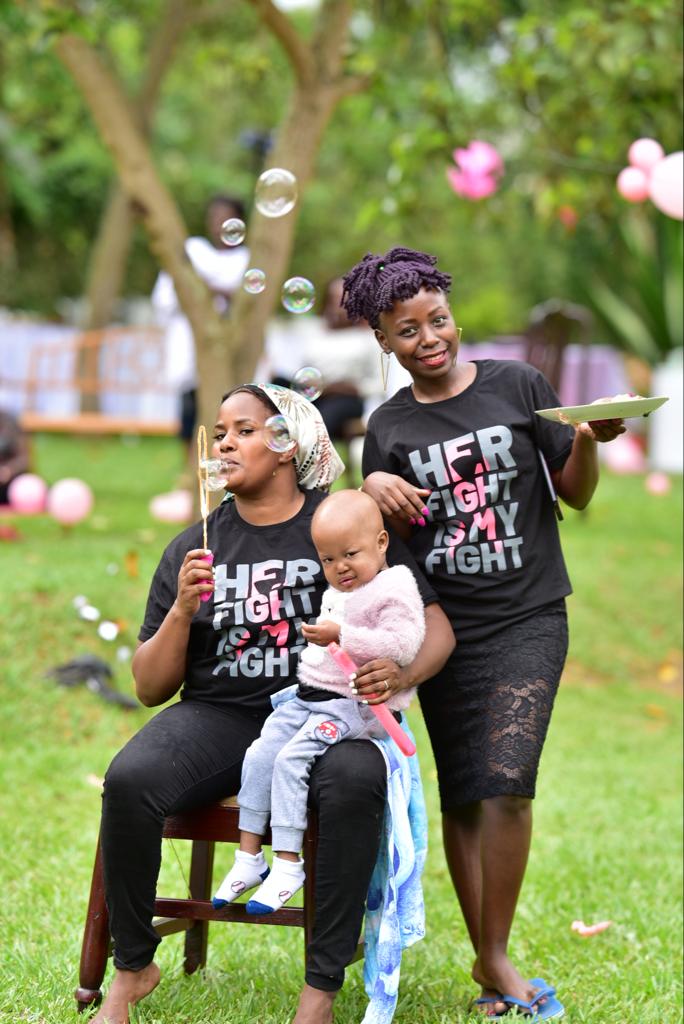
When a child’s brother or sister has cancer, it’s natural for the sibling to feel confused, scared, or even left out. They may feel resentful because of all the attention for the sick child.

Have I caused my sister/ brother the illness?
Whatever happened before your brother or sister got sick — arguments, playing, accidents, or even just a bad thought you had — none of that caused their cancer.
Will my sibling be ok?
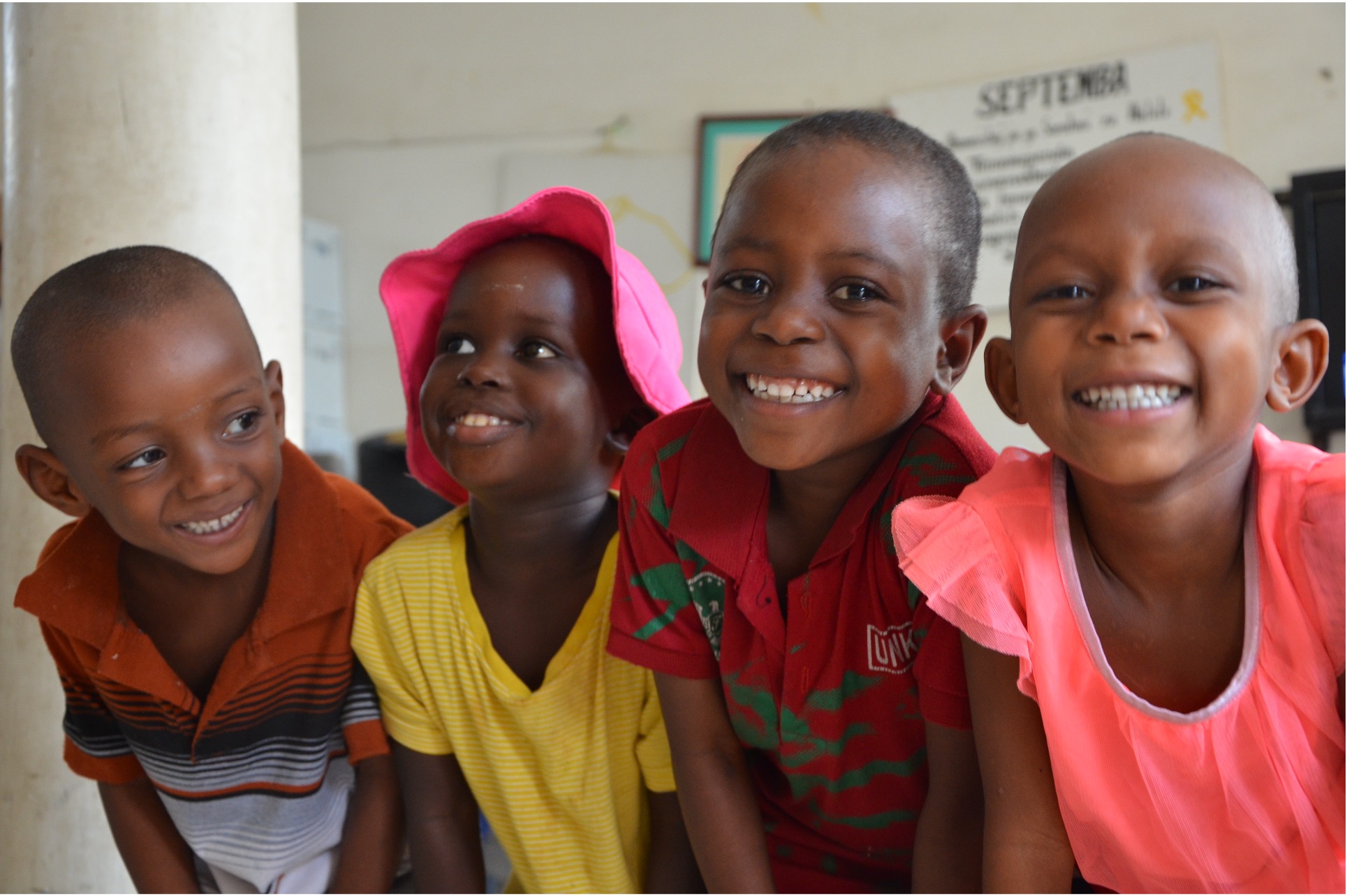
When a child has cancer, most of the attention goes to them and their treatment. But brothers and sisters can also feel very confused, scared, and full of questions. Sometimes they do not feel able to talk about them, so they keep their concerns to themselves. One of the biggest questions siblings often wonder about is: 'Will my sibling be ok?’ That is a very scary thought, and it is okay to feel that way.