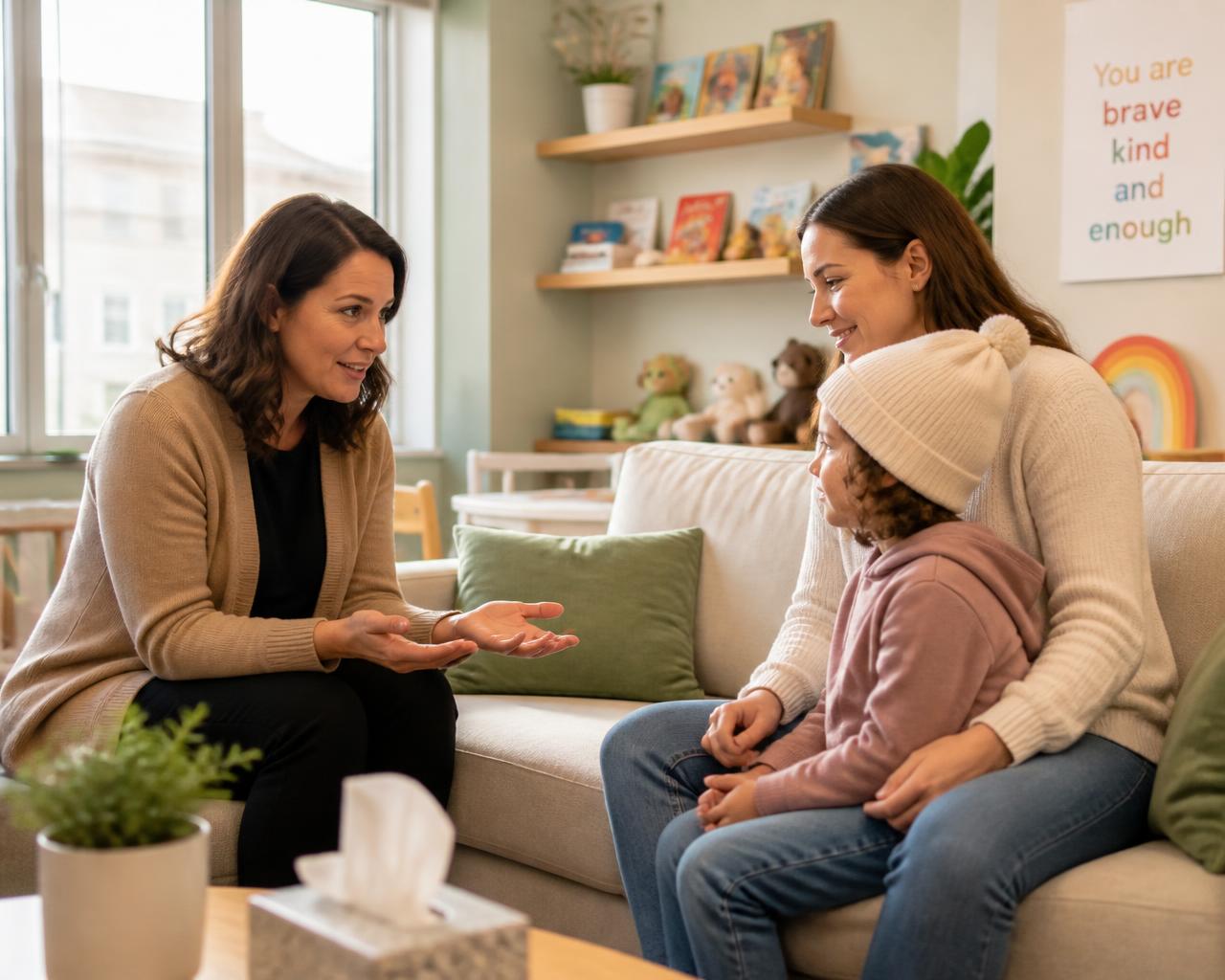
Psychosocial support: why it matters in childhood cancer care
Foundations should offer psychosocial support to paediatric oncology patients because cancer affects far more than the body—it profoundly impacts a child’s emotional wellbeing, development, family stability, and treatment outcomes. Psychosocial support programmes are one of the key drivers in well-being of the child: emotionally, physically and mentally. Social and social auxiliary workers journey with the child, adolescent and young adult diagnosed with cancer and their families from diagnosis to the end of the childhood cancer journey, whether it is survivorship or end-of-life, grief and bereavement support.
Why offer this support?
- Children who feel supported emotionally are more likely to cooperate with treatment, attend appointments, and complete long and difficult therapy protocols. Psychosocial care reduces fear and resistance and improves treatment adherence and outcomes.
- A cancer diagnosis and treatment can be frightening and painful. Many children experience distress, anxiety, depression, or even symptoms of post-traumatic stress. Psychosocial support helps them process these experiences in an age-appropriate way, building coping mechanisms and resilience and in doing so, reducing trauma, anxiety, and depression.
- Childhood cancer disrupts schooling, friendships, and developmental milestones. Psychosocial programmes (play therapy, educational support, peer interaction) help support normal development.
- Cancer affects the entire family. Siblings often experience emotional, financial, and psychological strain. Supporting the child without supporting the family is ineffective. Psychosocial services help families cope, communicate, and stay engaged in the child’s care. With the support of the psychosocial team, the families learn to cope and function better.
- Survivors of childhood cancer are at risk of long-term emotional and mental health challenges. Early psychosocial intervention can reduce the risk of lasting trauma and improve quality of life into adolescence and adulthood and in doing so reduce the long-term psychosocial impact on the child or adolescent and young adult.
- Even when cure is not possible, psychosocial care ensures that children experience comfort, dignity, and emotional support. It is a core component of palliative care and humane, patient-centred services.
- The World Health Organization and initiatives like the Global Initiative for Childhood Cancer emphasise that psychosocial support is an essential part of comprehensive childhood cancer care. It aligns with global standards of care and is not an optional add-on.
- In many countries, particularly low- and middle-income settings, access to mental health services is limited. Foundations play a vital role in bridging this gap, promoting equity, and ensuring that vulnerable children receive comprehensive, holistic care.
- Psychosocial support programmes enhance overall programme impact and holistic care by integrating psychosocial support alongside accommodation, transport, and medical assistance. This leads to better patient satisfaction, stronger community trust, and more meaningful long-term impact.
Who will benefit from this support?
A psychosocial support programme for paediatric oncology patients benefits a wide circle of stakeholders—not only the child, but everyone involved in their care and recovery.
- Children, the paediatric oncology patients – the primary beneficiaries – benefit directly through improved emotional wellbeing, reduced anxiety and trauma, better coping skills, and an enhanced ability to adhere to treatment. This ultimately contributes to better health and quality of life.
- Parents and caregivers often experience high levels of stress, fear, and emotional exhaustion. Psychosocial support helps them cope, improves their mental health, strengthens caregiving capacity, and enables them to better support their child throughout treatment.
- Siblings are frequently overlooked but can feel anxious, neglected, or confused. Support programmes help them understand the illness, process their emotions, and remain connected within the family unit.
- Extended family (grandparents or family members) and support networks benefit from guidance and counselling, enabling them to provide informed and emotionally supportive care.
- Doctors, nurses, and social workers benefit when patients are emotionally supported. Children who are less distressed are easier to treat, more cooperative, and more likely to adhere to treatment—improving overall efficiency and outcomes within healthcare settings.
- Foundations, charities or NGOs and programme implementers benefit through stronger programme outcomes, increased impact, and improved credibility with donors and partners. Holistic care models are more attractive for funding and partnerships.
- Communities benefit through increased awareness, reduced stigma around cancer, and stronger social support systems. Over time, this contributes to more compassionate and informed communities.
- Survivors and long-term survivors of childhood cancer benefit from early psychosocial support, which reduces the risk of lasting mental health challenges and improves reintegration into school, social life, and eventually the workforce.
Programmes aligned with guidance from the broader health system and organisations like the World Health Organization (WHO) and the Global Initiative for Childhood Cancer (GICC) contribute to stronger, more holistic health systems by integrating mental health into standard cancer care.
What should we know to run this programme successfully?
To run this programme well, you need clinical understanding, strong systems, trained people, and close collaboration with hospitals, wrapped in a compassionate, child- and family-centred approach.
Understand the psychosocial needs of children and adolescents and young adults (CAYA) with cancer. CAYA at different ages experience illness differently. You need a basic understanding of the beneficiary’s development stages, the emotional responses to diagnosis, treatment, relapse, and survivorship and common conditions such as anxiety, depression, and trauma. Frameworks from the World Health Organization and the International Society of Paediatric Oncology can guide age-appropriate and culturally relevant care.
Define your service programme clearly to prevent gaps and duplications. Communicate what you will offer, for example individual counselling, play therapy and activity-based support, group sessions or peer support , family counselling and or end-of-life, grief, and bereavement support.
Effective psychosocial support and emotional care require a mix of skills for example psychologists or counsellors, social and or social auxiliary workers, child life specialists (where available), and trained volunteers. All staff and volunteers should receive training in paediatric oncology support and safeguarding and should understand the paediatric haematology oncology system and what is expected of them.
Your programme should not operate in isolation. Strong partnerships with hospitals and oncology units are essential to identify and refer patients, align with treatment schedules and share relevant (and confidential) information appropriately.
You must have strict child safeguarding policies in place to protect children. All staff and volunteers should undergo screening and background checks. Clear reporting procedures for abuse or harm is non-negotiable in any programme involving children. Good governance builds trust with families and funders and foundations must have policies, procedures, and governance in place. This should include confidentiality and consent protocols, Data protection aligned with local laws, standard operating procedures (SOPs) and monitoring and reporting systems.
All programmes and approaches should be culturally and socio-economically sensitive, inclusive, respectful, and adaptable, especially when it comes to language diversity, cultural beliefs about illness and cancer and financial hardship and transport barriers.
Psychosocial care must extend beyond the child and have a family-centered approach that engages parents and caregivers actively, includes siblings where possible and provides practical guidance, not just emotional support.
Monitoring, evaluation, and impact measurement is critical for sustainability and funding. You need to track whether your programme is making a difference by setting clear indicators (e.g. reduced distress, improved adherence), collect baseline and follow-up data and use simple, practical tools suitable for your setting.
Psychosocial programmes require ongoing investment and funding for long-term sustainability. This funding is required to train staff continuously and to avoid over-reliance on volunteers alone for specialised services.
Working with children with cancer can be emotionally demanding. You must provide regular supervision and debriefing, mental health support for staff and burnout prevention strategies.
Lastly, you are not alone. Learn from existing models. Many organisations globally have well-established programmes and Childhood Cancer International members can support with online or inhouse training, best practice guidelines, and peer learning opportunities.
Read more
- Stephanie M. Nanos, et al. 2025. Psychosocial Interventions to Relieve Traumatic Stress Symptoms in Family Caregivers of Children With Cancer: A Scoping Review. APOS. https://onlinelibrary.wiley.com/doi/full/10.1002/pon.70230
- Soumitra Shankar Datta, et al. 2018. What do you need to learn in paediatric psycho-oncology? eCancer. https://ecancer.org/en/journal/article/916-what-do-you-need-to-learn-in-paediatric-psycho-oncology
- Nicole Mavrides, et al. 2016. Updates in Pediatric Psycho-Oncology. PMC. https://pmc.ncbi.nlm.nih.gov/articles/PMC5198903/
- Anna Coughtey, et al. 2018. The Effectiveness of Psychosocial Interventions for Psychological Outcomes in Pediatric Oncology. A Systematic Review. JPSM. https://www.jpsmjournal.com/article/S0885-3924(17)30523-7/fulltext
Was this article helpful?
Related Articles
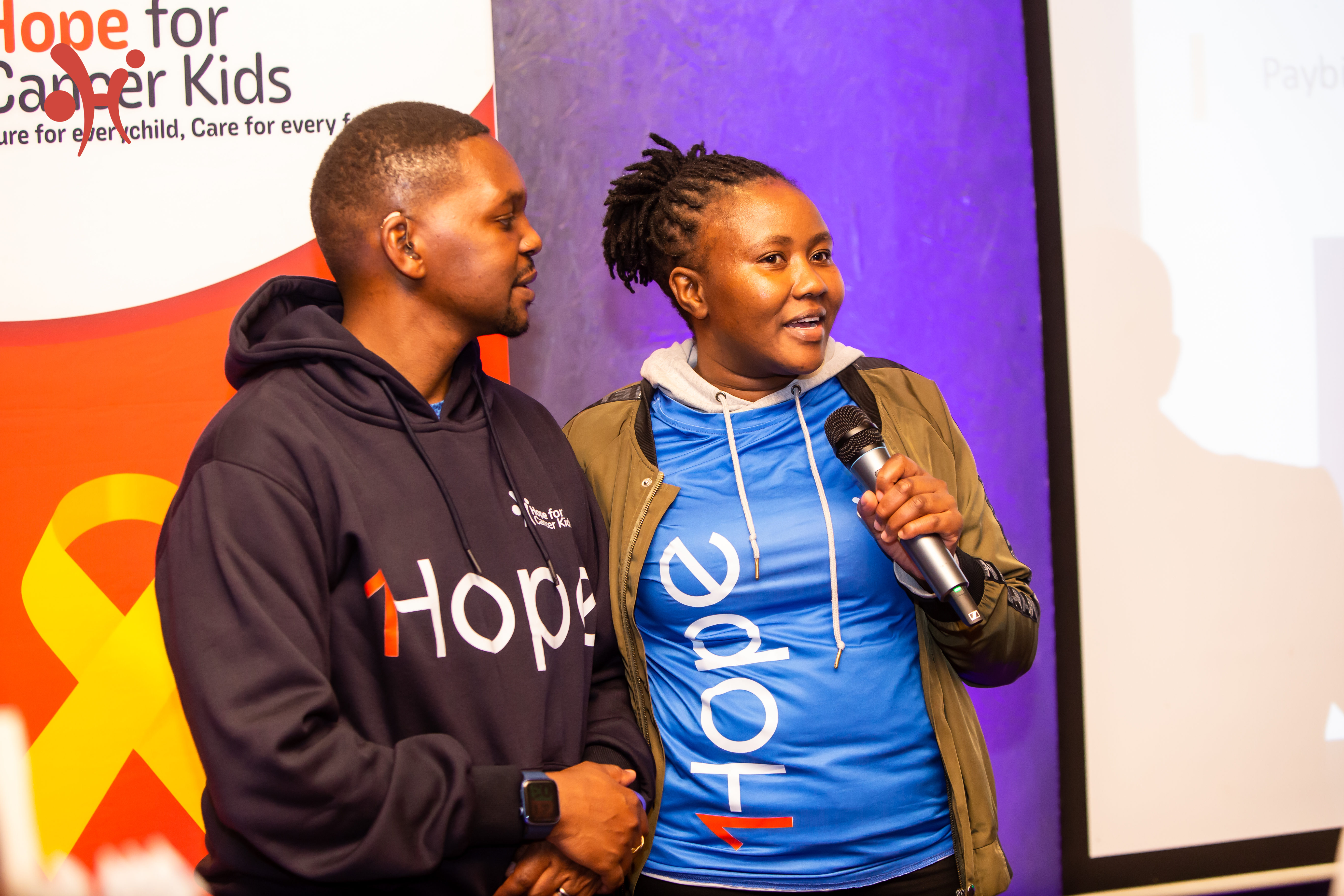
What is a patient support organisation?
One of the guiding principles of all those involved in childhood cancer is that the patients and their families should never feel alone in their difficult times. In 2000, Mark Chesler and Sara Eldridge launched the concept ‘You are not alone’. Internationally this term has been used by childhood cancer foundations to make parents, survivors, patients and their dear ones feel loved and cared for.

Why do we need to start a childhood cancer foundation?
Many parents who have been through the childhood cancer journey have a need to give back either to honour their child, to support other families facing the same journey, to address the unmet needs in the health system, to raise awareness about childhood cancer, to raise funds for treatment or supportive care programmes, to provide sense of purpose and healing, to build a supportive community, to advocate for the children’s rights, to fill the gap left by their own experience or the contribute to research and improved outcomes.
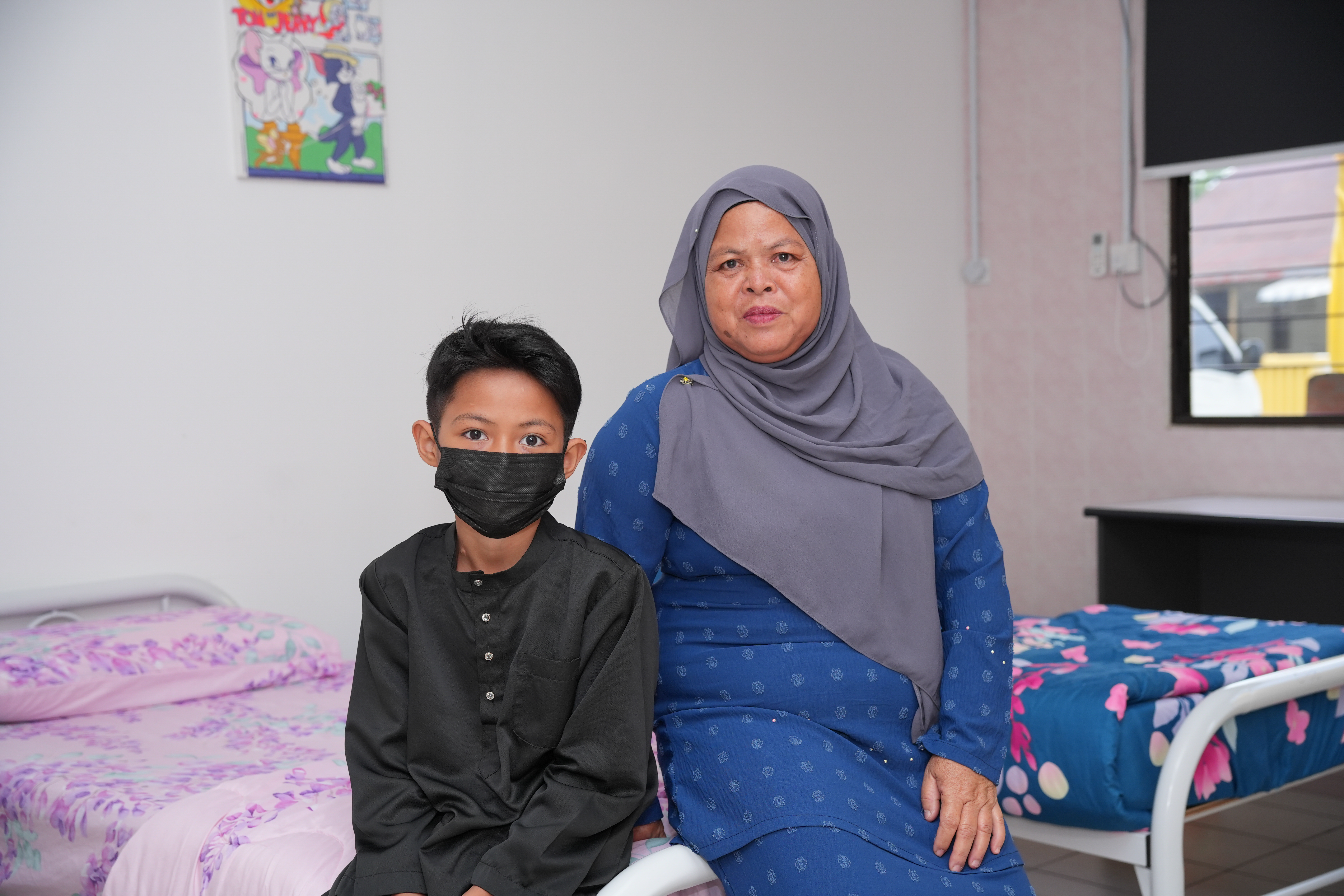
I want to start a childhood cancer foundation
Many of Childhood Cancer International (CCI) members established sustainable and successful foundations. You are welcome to reach out to CCI for mentorship and knowledge sharing. You don’t need to reinvent the wheel. Remember, you are not alone and CCI is there to support and guide you.