How to approach emotional challenges: separation from family, friends and home
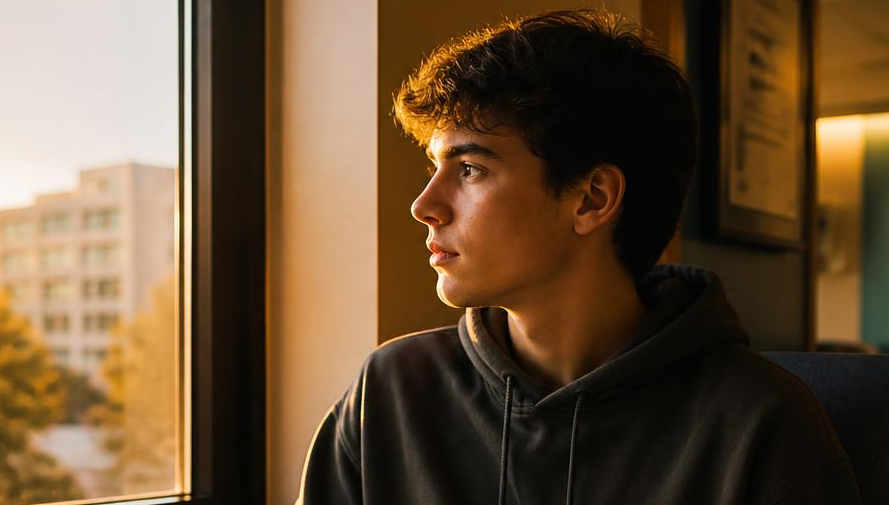
Familiar environments help young people feel safe, connected and understood. When illness or treatment requires time in the hospital or away from home, these sources of comfort may be less available, creating emotional stress alongside the physical demands of cancer treatment. In the context of paediatric and adolescent cancer care, separation is often described as the psychological and emotional burden of being physically distant from one's normal support system and everyday life, which can affect mood, coping, and overall well-being. Facing cancer as a child or teenager can mean spending long periods away from home, friends, school, and familiar routines. Many young people describe the separation itself as one of the hardest parts of treatment. Feeling lonely, homesick, angry, sad, worried, or disconnected is a very common response.
Helpful approaches
- Stay connected with friends and family. Regular calls, messages, or video chats can help maintain a sense of normal life. Ask friends to share photos, videos, or updates from school, home and the community.
- Bring familiar items from home and keep them nearby, such as photos, blankets, favourite books, stuffed animals, music playlists, or personal decorations.
- Try to keep to routines that you used to follow at home like reading before bed, listening to certain music, or watching a favourite show. This can provide comfort and continuity.
- Talk about what you're feeling. You do not have to hide your emotions to protect other people. If you're feeling lonely, scared, frustrated, or homesick, try telling a parent, trusted adult, nurse, counsellor, psychologist, or social worker.
- Friends may pull away because they don’t know what to say, not because they don’t care. If you feel comfortable, let them know and guide them on how you'd like to stay connected through things like online games, group chats, shared playlists, or movie nights.
- Connect with other young people who are or have been through the cancer journey. Childhood Cancer Foundations, Charities or treatment hospitals often offer support groups, peer programmes, camps, or online communities designed for young patients diagnosed with cancer.
- Focus on what you can control. Treatment can make life feel uncertain, but small choices like what to wear, how to spend your time, or setting simple goals, can help you regain a sense of control. Take it one day at a time.
- Keep a record of your experience by keeping a journal, making videos, creating art, writing letters or taking photos. These can help you process feelings and notice your progress over time.
- Be patient with yourself. During treatment, it's normal to have both good days and difficult days.
- If emotions become overwhelming, seek support especially when you feel hopeless most days, lose interest in things you enjoy, have severe anxiety or panic or think about harming yourself or not wanting to be alive. These feelings need immediate support. Tell your parent/s, caregiver or member of your care team.
Read more
- American Psychological Association. 2023. Examining the psychological impact of childhood cancer. Mental health interventions are important in helping children and their loved ones cope to ensure positive long-term adjustment. https://www.apa.org/topics/children/cancer-psychological-impact
- Children’s Health Queensland Hospital and Health Services. n.d. Helping our child. Separation anxiety. https://www.childrens.health.qld.gov.au/__data/assets/pdf_file/0021/336315/coping-with-separation-anxiety.pdf
- Southwest Yorkshire Partnership Teaching. n.d. Managing separation anxiety. A guide for parents and carers. NHS Foundation Trust. https://www.southwestyorkshire.nhs.uk/wp-content/uploads/2020/09/Separation-Anxiety-Parents-Guide.pdf
Was this article helpful?
Related Articles

I don’t understand my illness
Our bodies are made up of tiny blocks called cells. Our bodies are made up of tiny blocks called cells. When you have cancer, one of these cells in your body is growing faster than what they should. Normal cells grow, work and when our bodies don’t need them anymore, they die in a controlled way. A cancer cell doesn’t follow that rule and your body needs help to get rid of it.
Cancer is not contagious; you didn’t do anything to cause it.
Below are some interesting materials that you can check to better understand cancer.

I have many questions. Who can I talk to?
When you ask your doctor or parent to help you understand what is happening to you, it shows a lot of courage.